
Brief
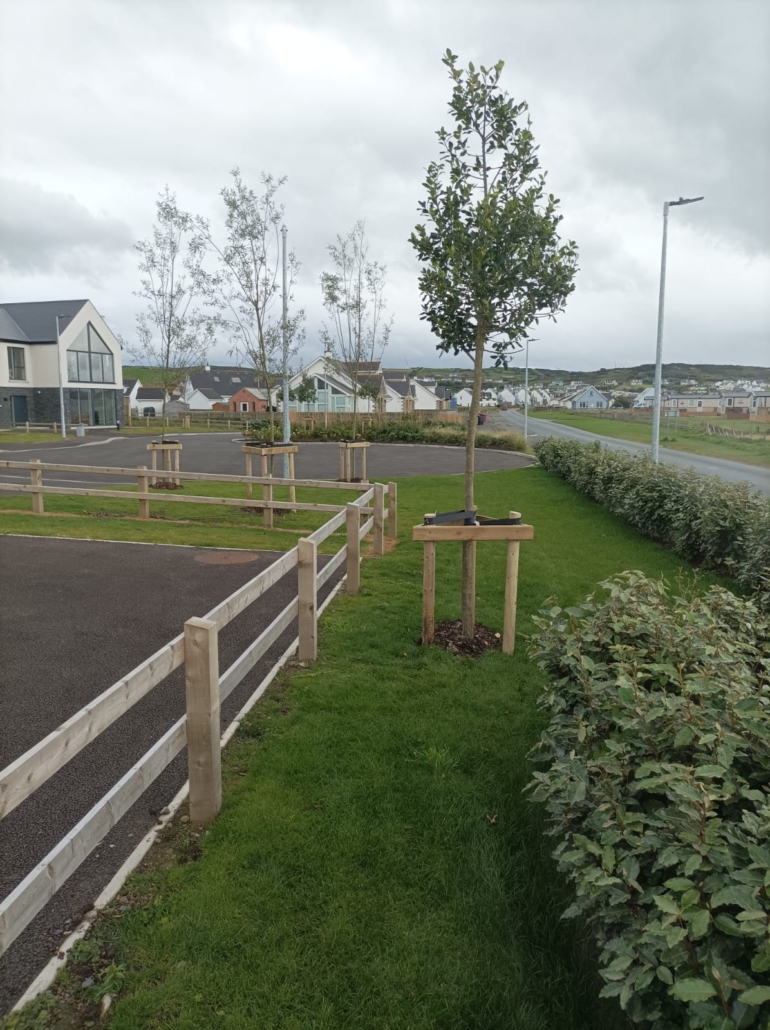
This project transformed a bare site into a lush, green oasis, seamlessly blending horticultural excellence with ecological harmony. Key features include topsoiling, tree planting, mulching, bulb planting, hedge and shrub planting, and seeding.
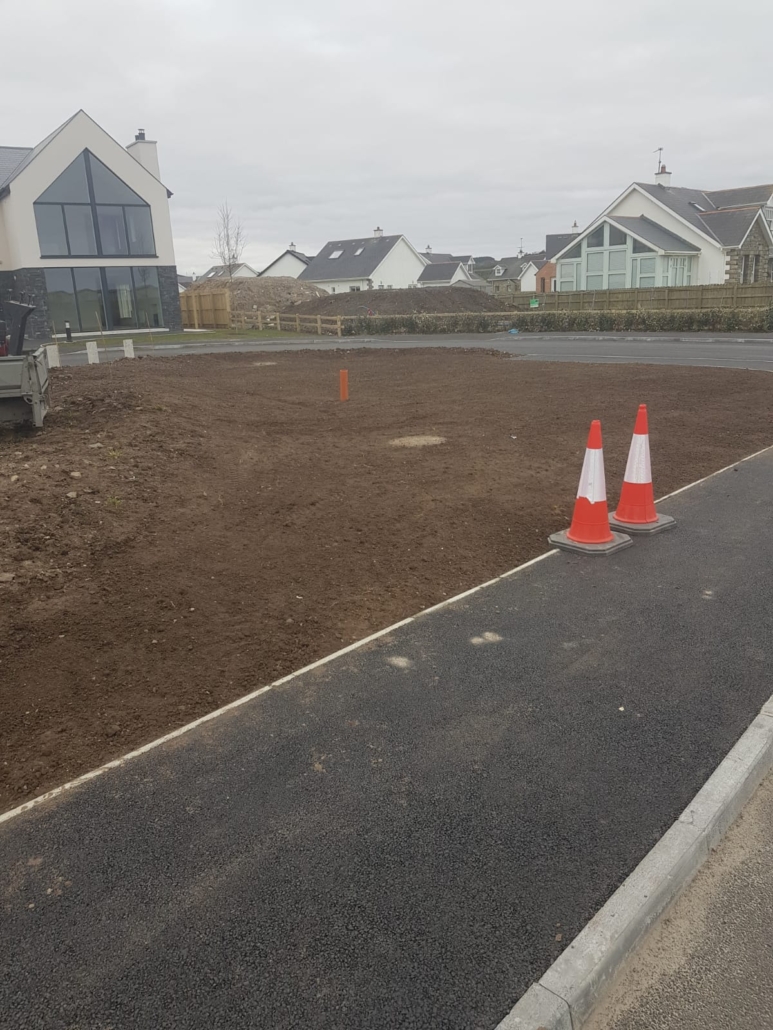
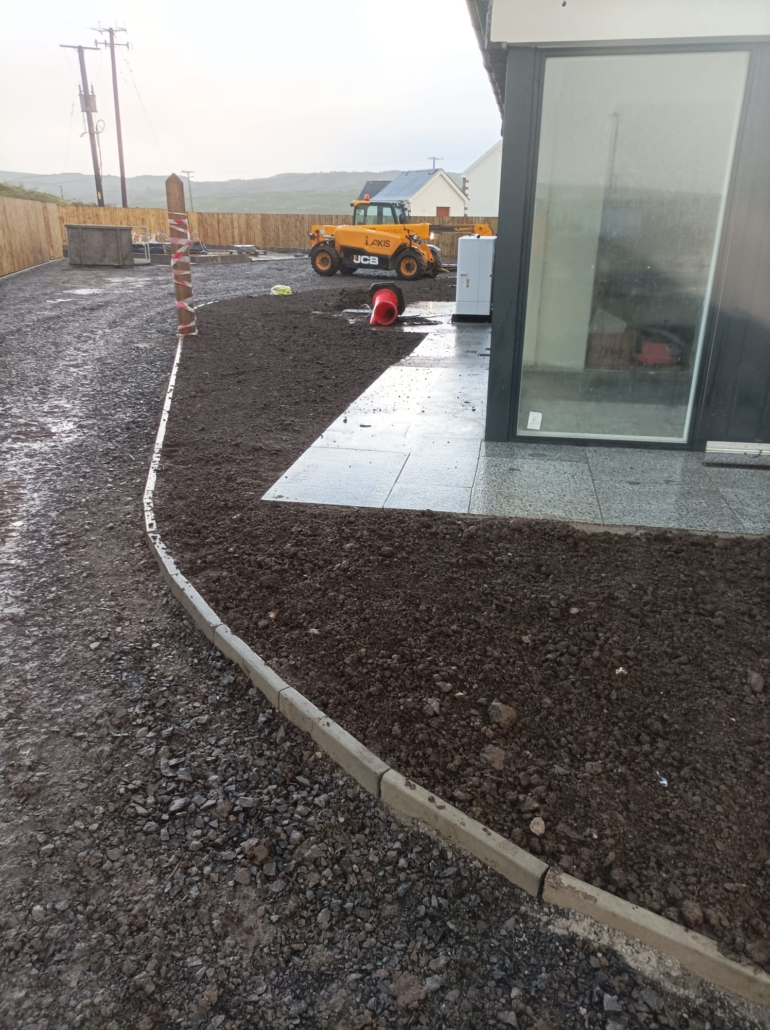
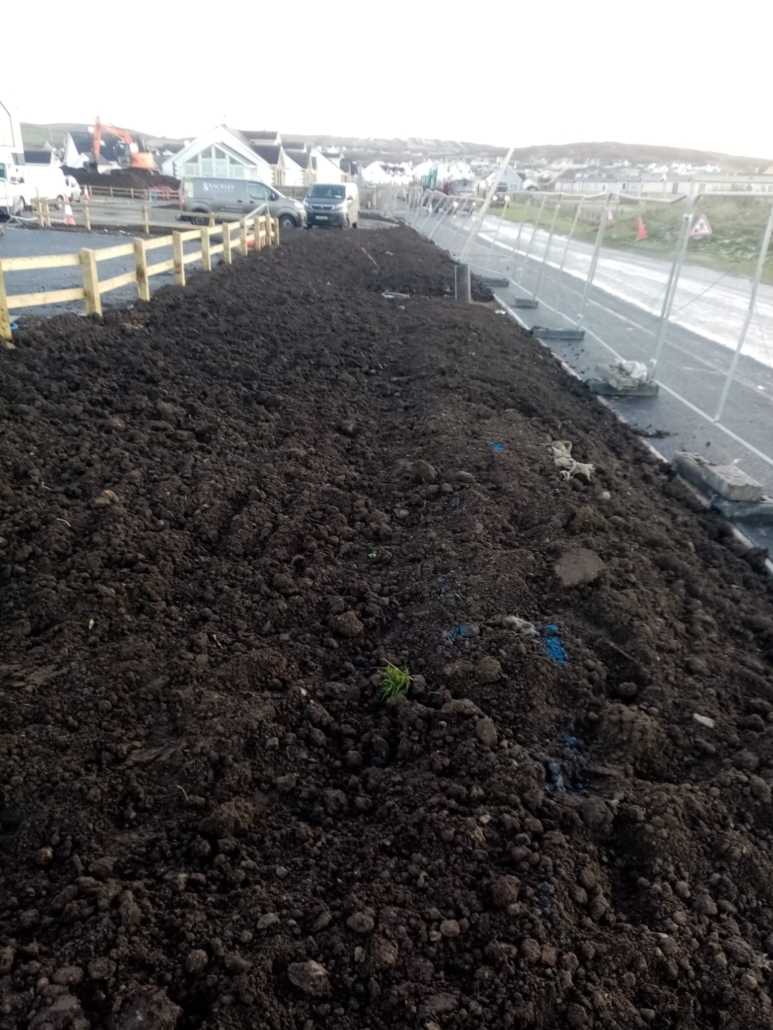
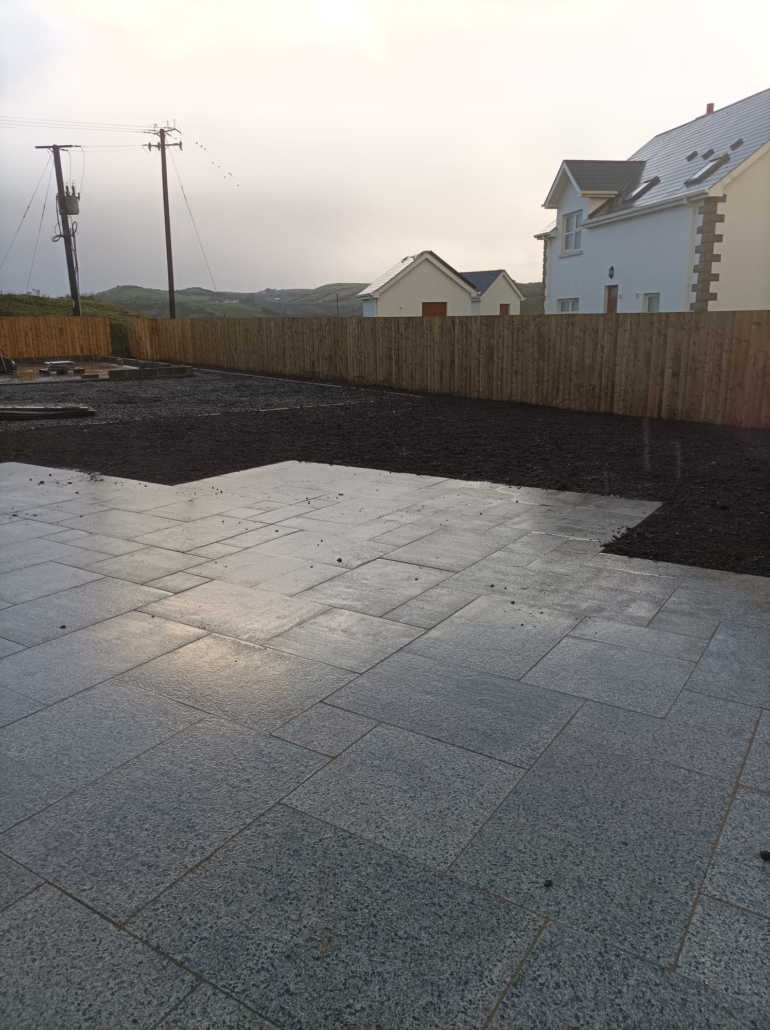
The topsoiling process laid a fertile foundation, enhancing soil quality and ensuring optimal conditions for plant growth. This initial step was crucial in preparing the site for the diverse range of plantings that followed.
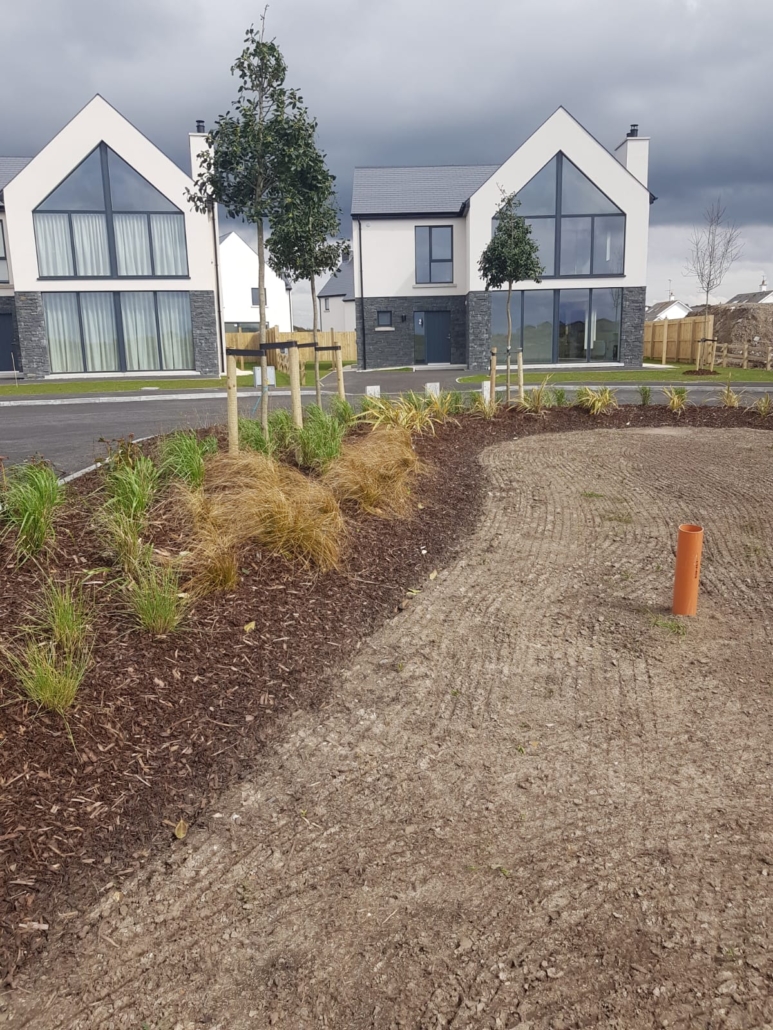
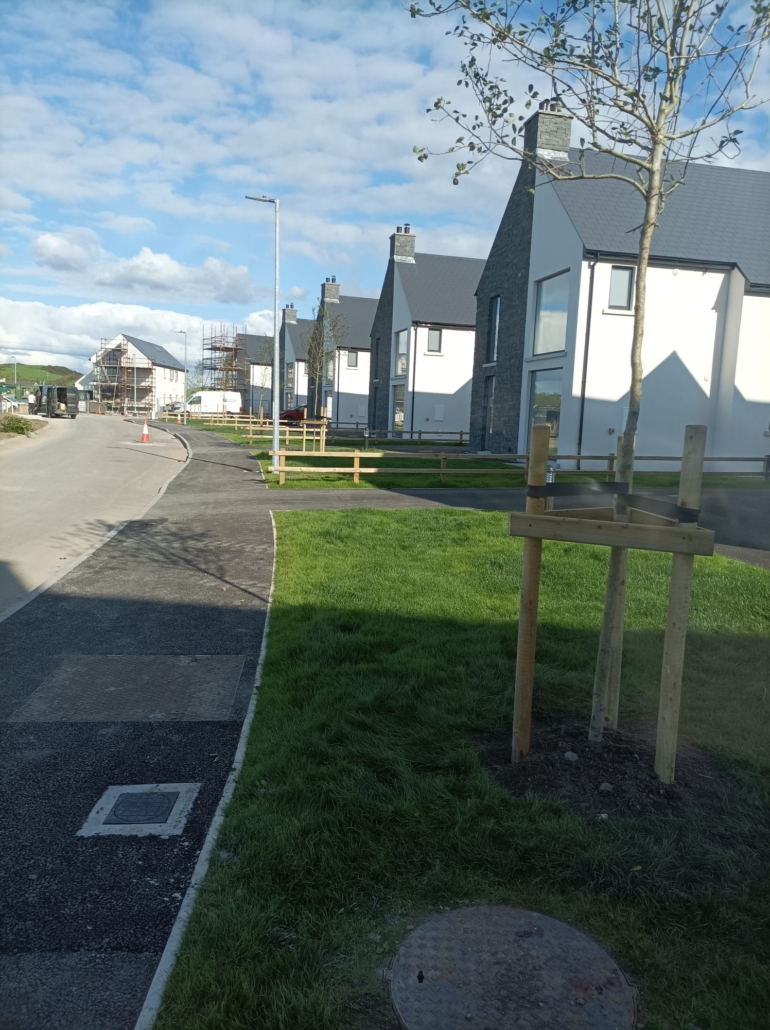
Tree planting was a cornerstone of the project, introducing a variety of native trees. These trees not only provide shade and aesthetic appeal but also contribute to the local ecosystem by supporting wildlife and improving air quality.
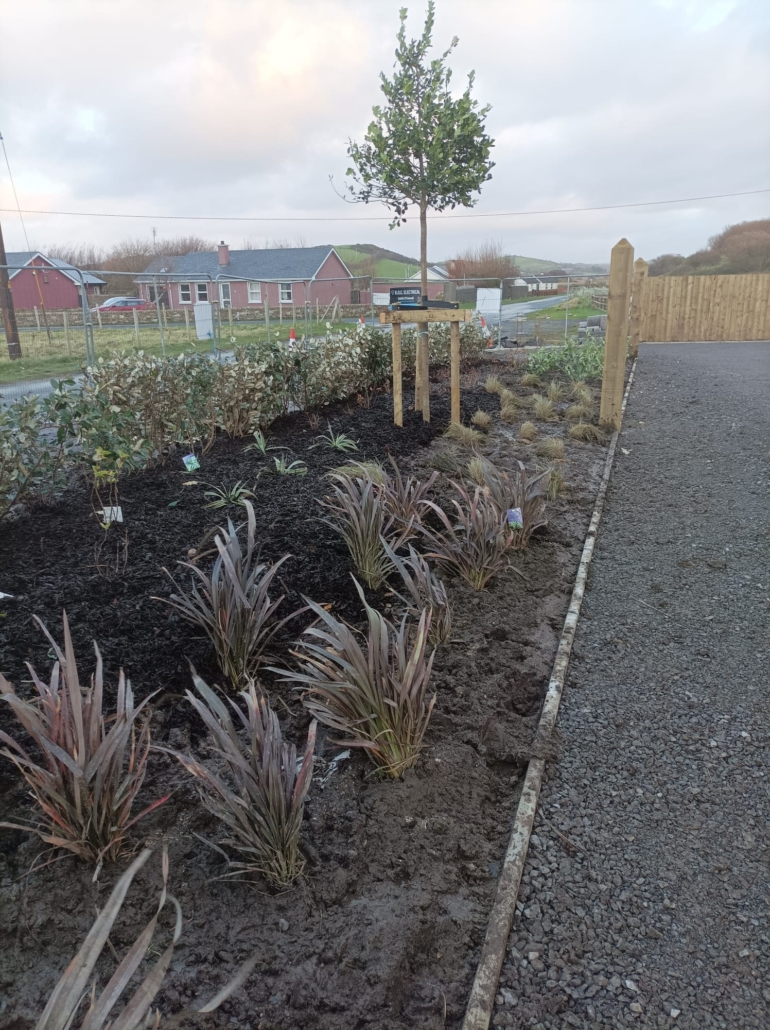
Mulching played a vital role in the project’s success. It helps retain soil moisture, suppress weeds, and regulate soil temperature, creating a healthier environment for the plants. The mulch, derived from organic materials, further enriches the soil as it decomposes.
Bulb planting added seasonal bursts of color to the landscape. Carefully selected bulb species ensure a continuous display of blooms from early spring to late autumn, enhancing the site’s visual appeal and supporting pollinators.
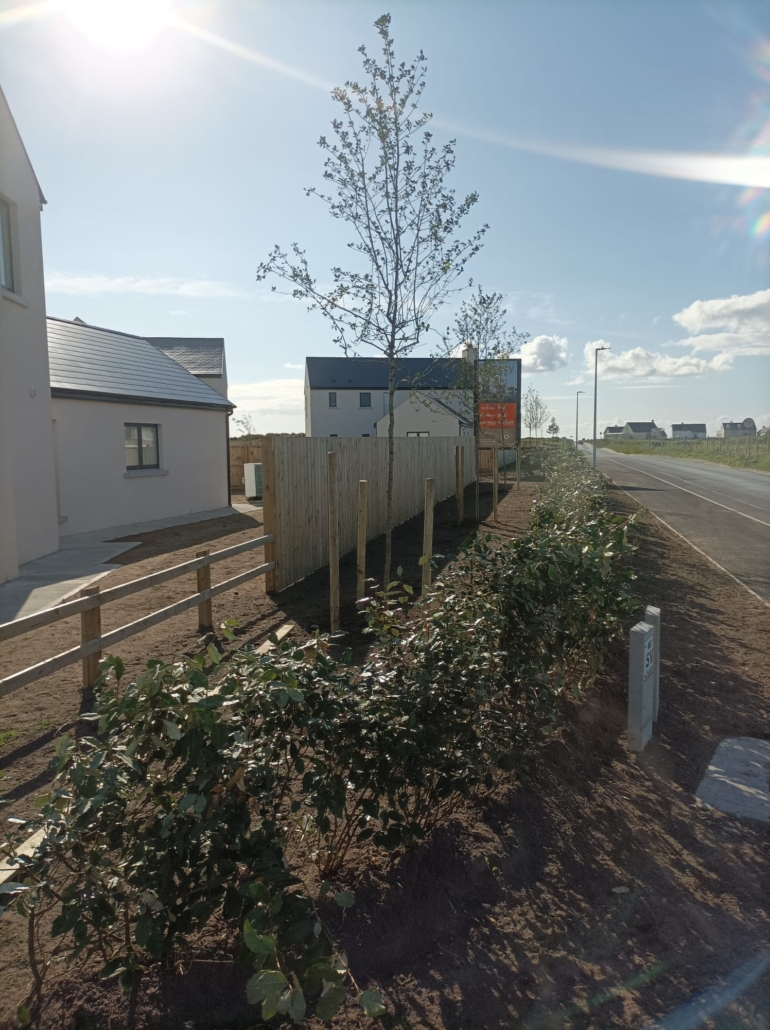
Hedge and shrub planting created natural boundaries and added structure to the landscape. These plantings provide habitat and food for local fauna, enhance privacy, and reduce noise pollution, contributing to a more serene environment.
Seeding was the final touch, ensuring ground cover and preventing soil erosion. Native grass and wildflower seeds were used to create a resilient and diverse plant community, supporting local biodiversity and adding to the site’s overall beauty.
Elements
- A landscape design to detail the works to be completed within the project
- Preparation works and topsoiling
- Mulching to base of all planting beds, heding and bases of trees
- Planting & seeding of native plant species


